Wyoming Bighorn River (Thermopolis Wyoming) is a prime location that attracts many fishing enthusiasts. For those interested in the latest conditions, the Bighorn River Fishing Report provides valuable information. This report helps anglers stay informed about changing patterns and conditions.
Date and Time: December 15th, 2025
Weather Conditions
In the current Bighorn River Fishing Report, the weather conditions are crucial for planning a fishing trip. Weather Forecast
Water Conditions
The Bighorn River is currently very clear, there is some vegetation on the bottom.
Hatches, Insects, Other dietary options for fish
- Hatches: Midges
- Insects: Sowbugs, Leeches, Worms
- Other: Minnow, Crawdads
Fish Activity
This section of the Bighorn River Fishing Report focuses on the primary winter food sources—midges and sowbugs—and how they drive trout behavior during the colder months.
During winter, fly fishing success depends on efficiency, patience, and a solid understanding of trout behavior. As water temperatures drop, trout significantly reduce their movement and feed during shorter, more deliberate windows. Consequently, midges and sowbugs become the most dependable food sources. Midges are present year-round and often dominate a trout’s winter diet. Because they are small, abundant, and capable of hatching even in cold conditions, accurate imitations and precise drifts are essential. Similarly, sowbugs thrive in the Bighorn’s stable tailwater environment, where consistent flows and aquatic vegetation provide ideal habitat. As trout conserve energy, they consistently target these easy, high-protein meals drifting near the river bottom.
Therefore, successful winter anglers slow everything down. Light tippets, careful depth control, and drag-free presentations are critical. Nymphing midge larvae, pupae, and sowbug patterns close to the substrate, as emphasized in the Bighorn River Fishing Report, continues to produce steady results. Ultimately, winter fishing rewards a methodical approach rather than aggressive tactics.
Meanwhile, both brown trout and fall-spawning rainbow trout have fully transitioned into the post-spawn phase. As noted in the Bighorn River Fishing Report, fish behavior over the next month becomes more predictable and feeding-oriented. After leaving shallow spawning gravel, trout settle into classic winter holding water such as deeper runs, inside seams, and slower eddies. Although energy conservation remains important, the need to recover lost weight drives consistent feeding during limited daily windows.
Flies:
- Midges: Black Beauty, Mercury Midge, Zebra Midge, Manhattan Midge, Mayhem Midge, Blood Midges
- Sowbugs: Soft Hackle Hot Head, UV Sow, Carpet Bug, Gut Sack Sow Bugs, Walt’s Worm, Tailwater sow Bugs
- Other: San Juan Worm, Wire Worms, Squirmy Worms, Pine Squirrel Leech, Black Wooly Bugger, Goldie, Rusty Trombone
Catches and Success Rates:
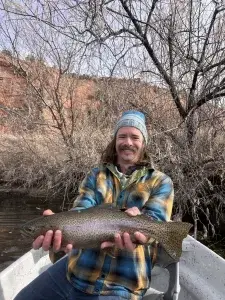
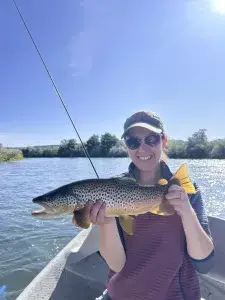
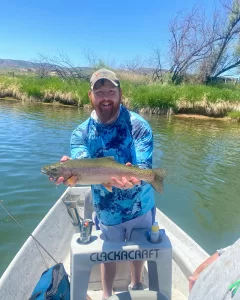
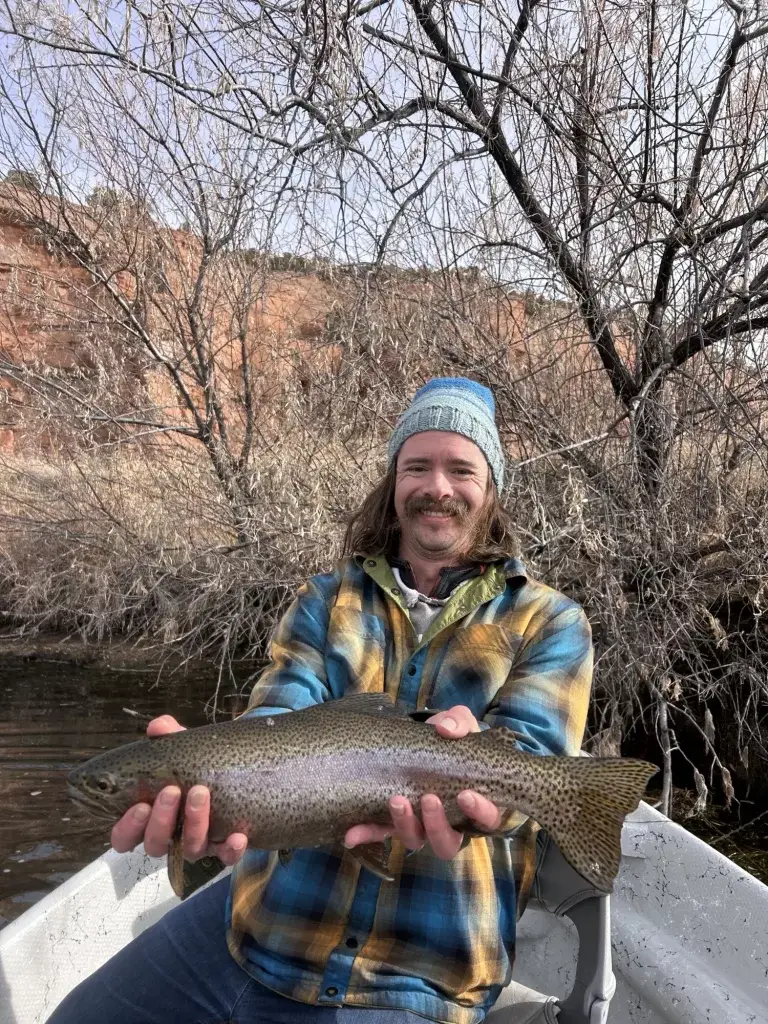
Limited daylight has not reduced overall productivity. The Bighorn River Fishing Report indicates that trout are locked into consistent post-spawn holding water, making them easier to locate and fish efficiently. Feeding activity is concentrated into defined windows, often during the warmest part of the day. Anglers who focus on depth, slower presentations, and clean drifts continue to see steady action and quality fish. The combination of predictable fish behavior and focused fishing time is maintaining strong results despite shorter days.